 Business License
Refined Raw Material Control for Mold Forgings: Standardized Initial Quality Assurance
The quality of raw materials is the foundation of the overall quality of mold forgings. Any issues with the initial raw materials cannot be compensated for by even the most precise subsequent processes. Recently, Qingliang Mould has further refined the full-process control mechanism for mold forging raw materials, covering incoming inspection, warehousing, and issuance, to fundamentally ensure stable product quality.
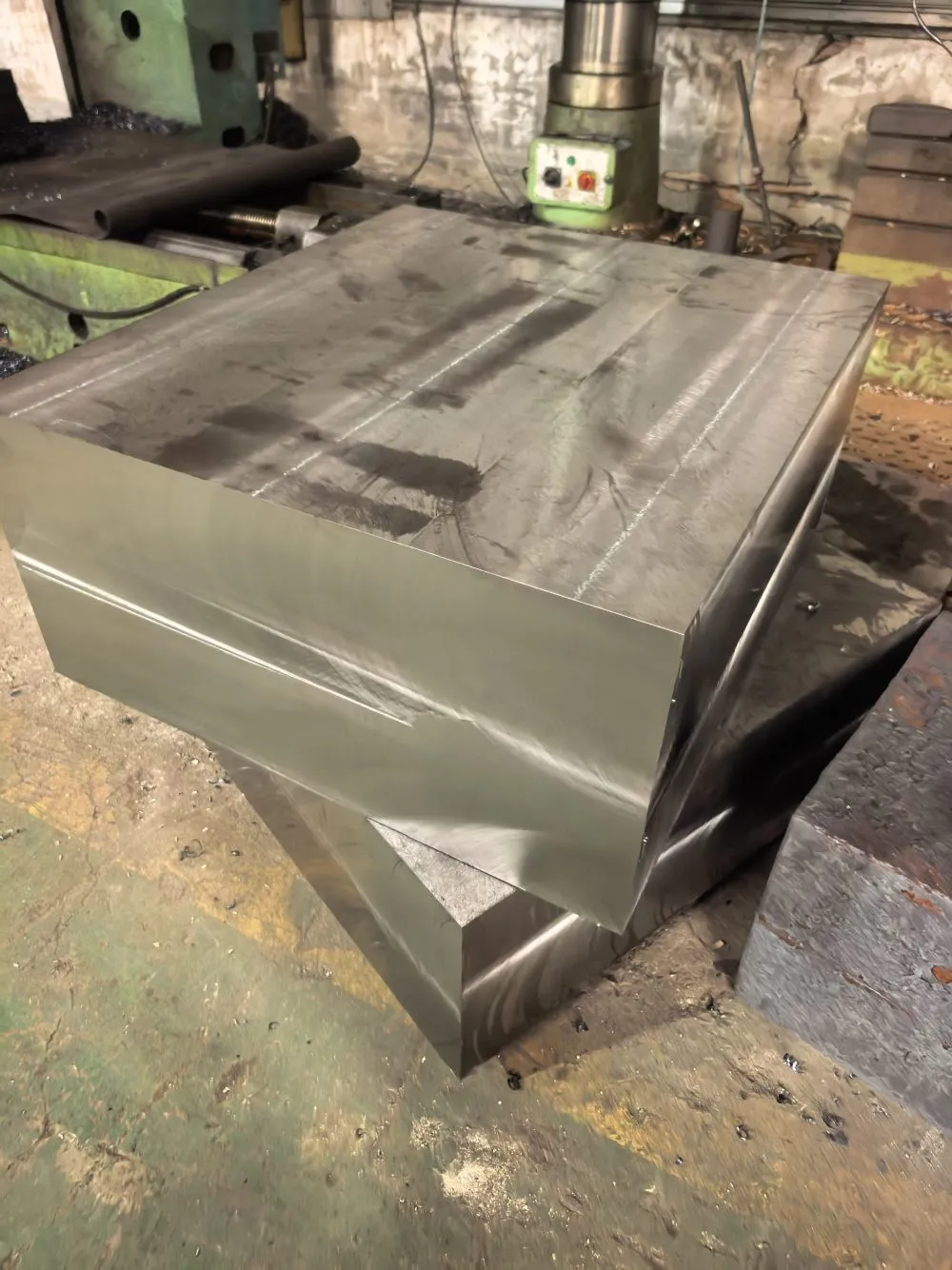
As those in the mold forging industry know, steel from different mills may exhibit variations in forging characteristics, even with the same material grade. Using steel with high impurities or unstable composition can lead to cracking and poor wear resistance in finished mold forgings. Previously, the factory encountered such problems: a batch of raw materials was not thoroughly tested before warehousing, resulting in frequent die cracking during forging and the scrapping of the entire batch of products. With this refined control, the enterprise has tightened procurement procedures, only cooperating with long-term, reputable suppliers. For each batch of incoming steel, the procurement, quality inspection, and technical departments jointly verify: first, checking material certificates and factory test reports to confirm consistency with order requirements; then, taking random samples for laboratory testing of chemical composition and mechanical properties. Only when all indicators meet the requirements can the materials be warehoused.
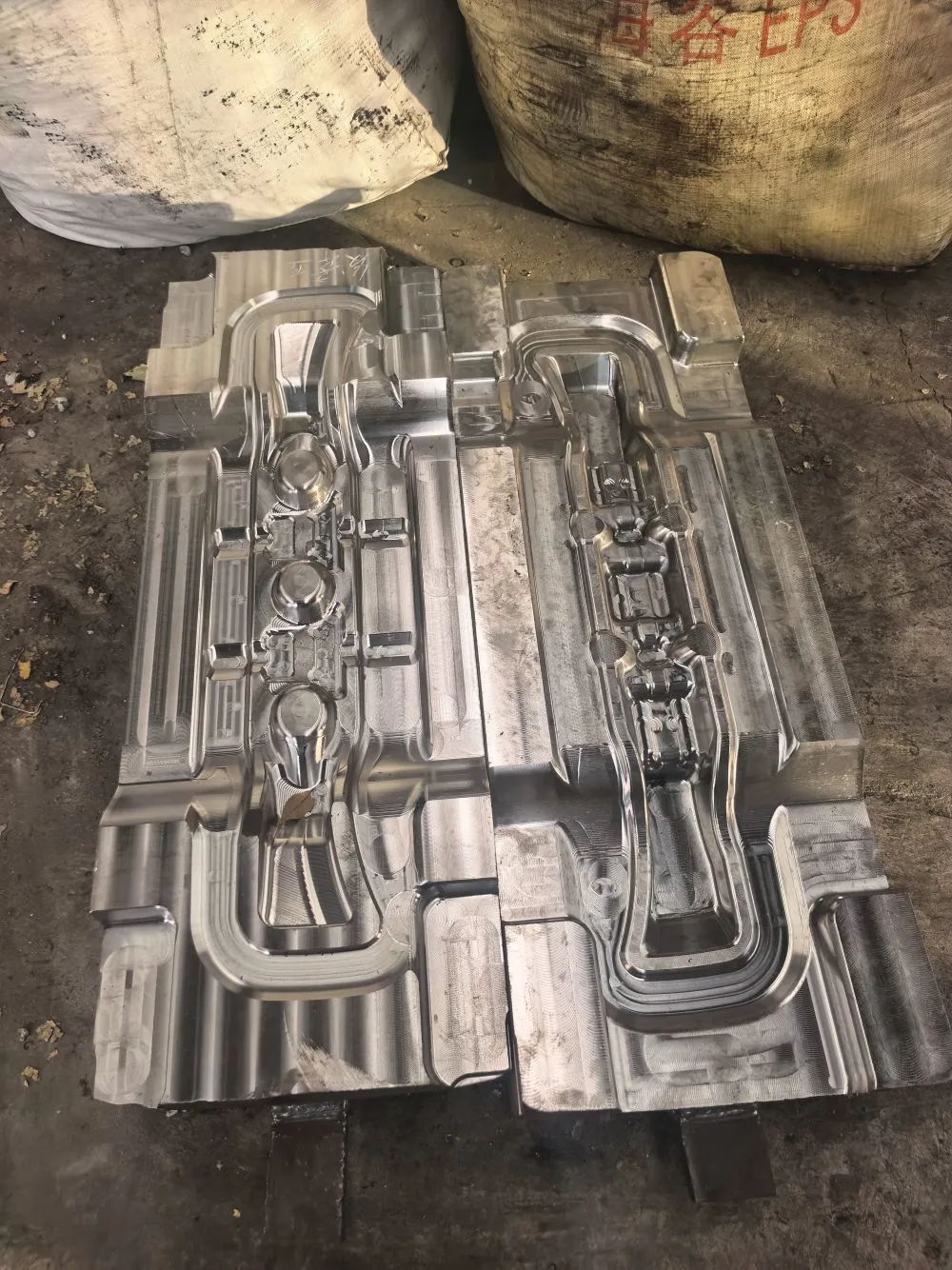
After warehousing, steel is stored in designated areas by material, specification, and manufacturer with clear labeling to avoid mixing. When issuing materials, production teams must cross-check with production orders to ensure the correct material and specification are used. At the same time, the enterprise has established a raw material traceability ledger, which records the procurement time, supplier, and material test report for each batch of steel used in mold forgings. Even if issues arise later, the root cause can be quickly identified. With stricter raw material control in the factory, workers can operate with greater confidence, no longer worrying about wasted effort due to material-related problems.
Recently Posted
-
Veteran Forging Worker Master Zhang Retires with Honor, Passing Down 30 Years of Craftsmanship
June 1, 2026At Shandong Qingliang Mould Technology Co., Ltd., Master Zhang, who dedicated 30 years to the forging industry, officially retired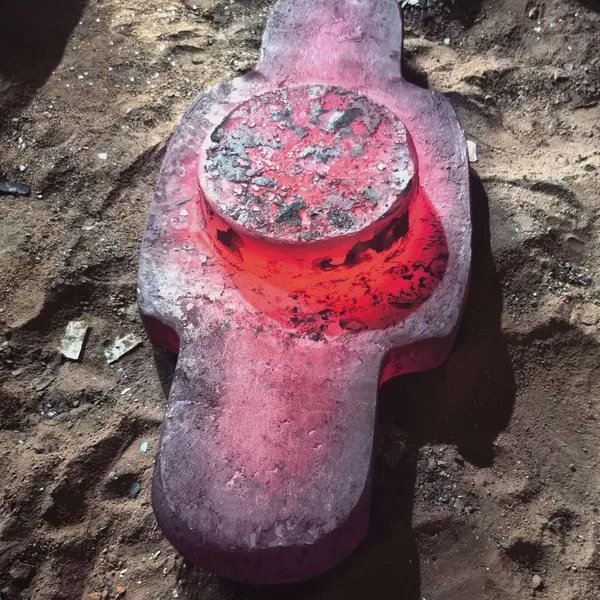 Read More
 -
Workshop Waste Classification & Recycling: Environmental Protection and Efficiency Enhancement
May 30, 2026Forging operations generate various types of industrial waste. The traditional centralized mixed disposal model had several drawba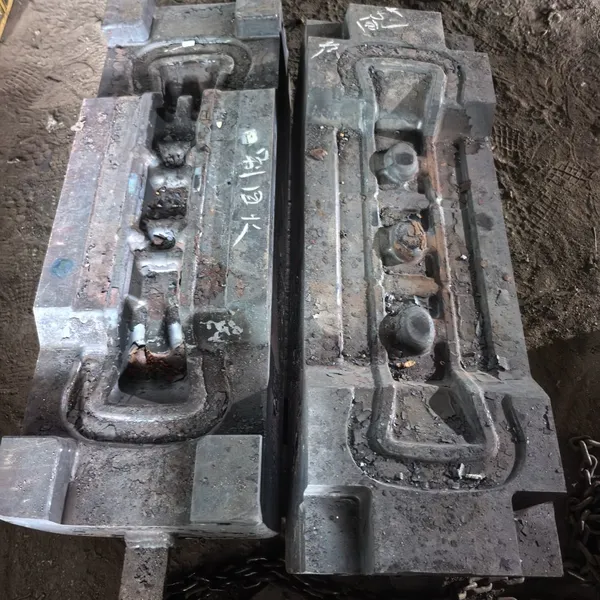 Read More
 -
Standardized Management of Forging Drawings Improves Production Efficiency
May 29, 2026Previously, the workshop faced significant pain points in managing forging and die drawings: paper drawings were randomly placed w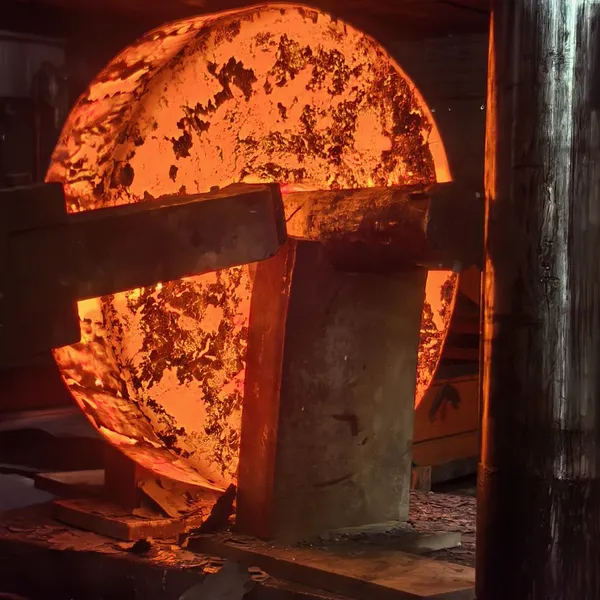 Read More
 -
Comprehensive Rainy Season Protection Ensures Stable Forging Production
May 28, 2026As the local area enters a period of continuous rainfall, humid weather poses challenges to equipment and material management in t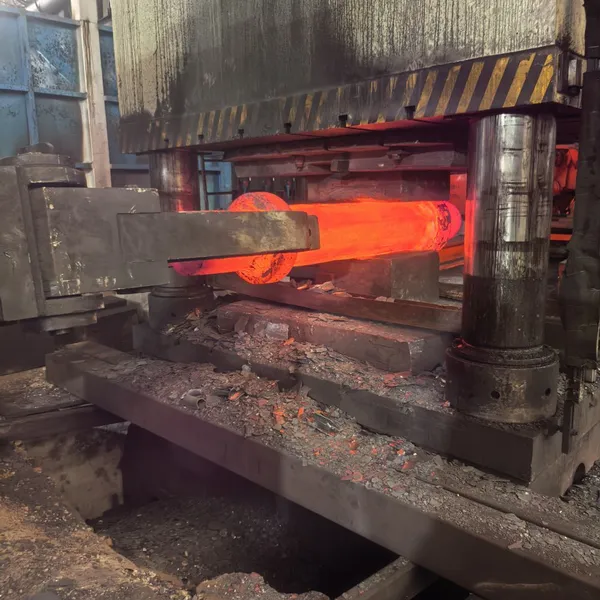 Read More

Contact Us
Recommended Products
-
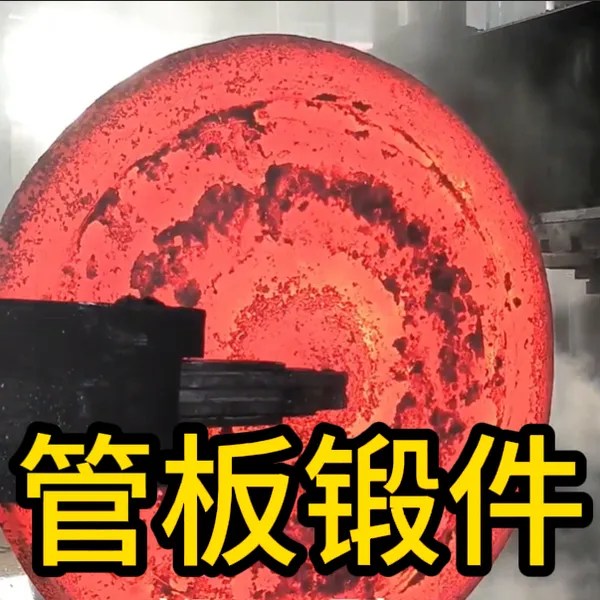
 Tube Sheet Forgings | Forged Components | Factory CustomizationNegotiableMOQ: 1 Piece
 -
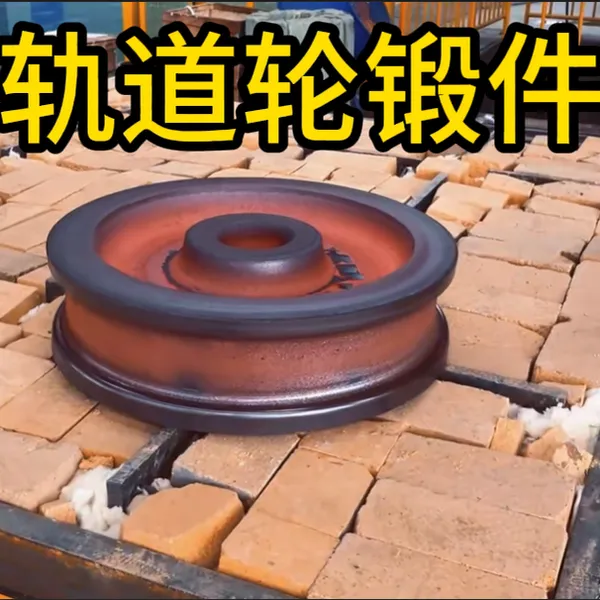
Railway Wheel Forgings | Forged Components | Factory CustomizationNegotiableMOQ: 1 Piece
-
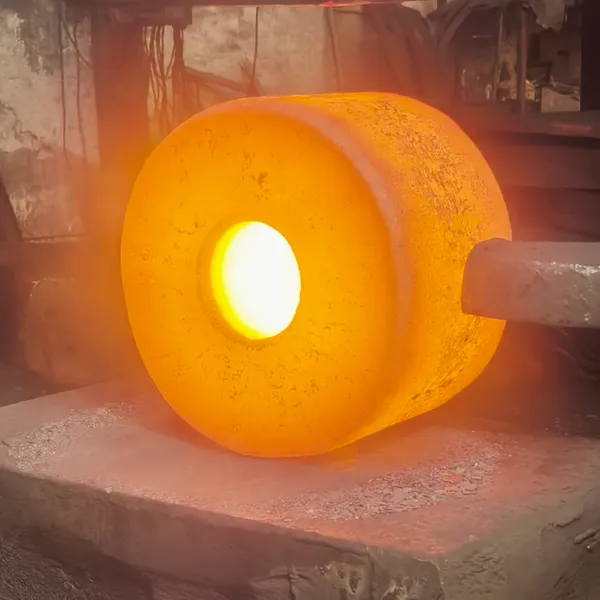
Roll Sleeve Forgings | Forged Components | Factory CustomizationNegotiableMOQ: 1 Piece
-
Rear Offset Shaft Forgings | Forged Components | Factory CustomizationNegotiableMOQ: 1 Piece
-
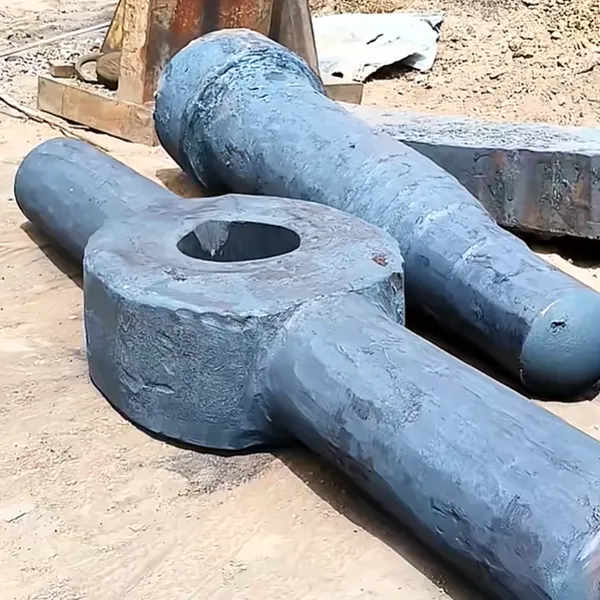
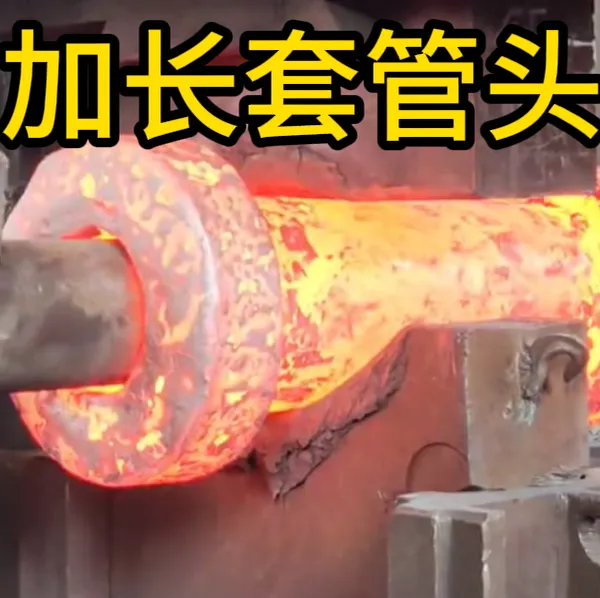
Extended Casing Head Forgings | Forged Components | Factory CustomizationNegotiableMOQ: 1 Piece
-
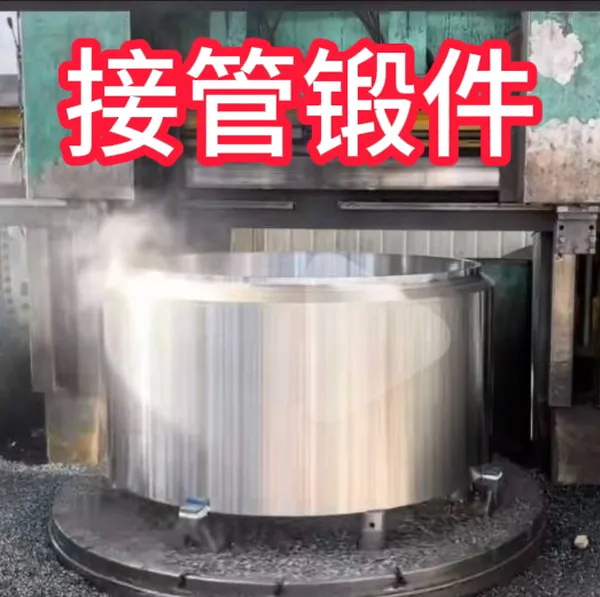
Connector Pipe Forgings | Forged Components | Factory CustomizationNegotiableMOQ: 1 Piece
-
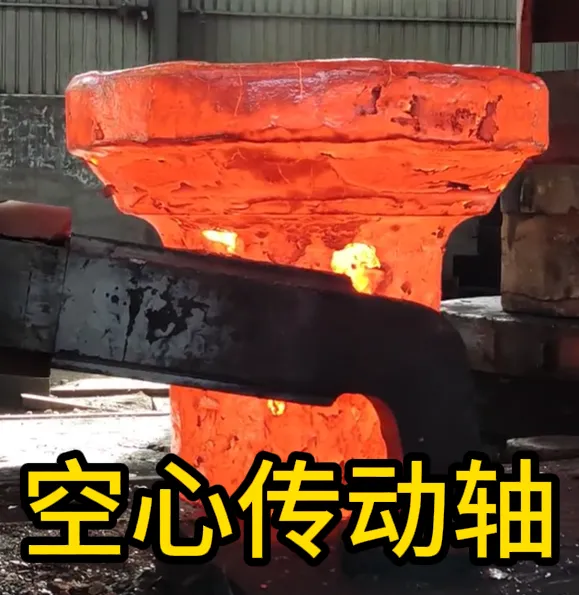
Hollow Drive Shaft Forgings | Forged Components | Factory CustomizationNegotiableMOQ: 1 Piece
-
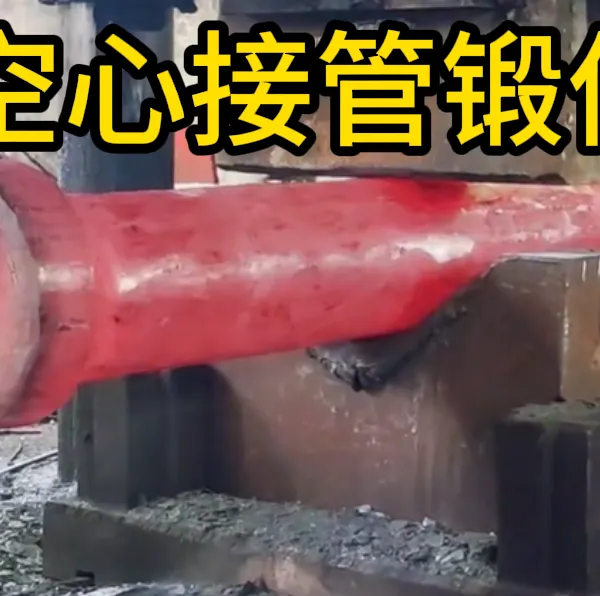
Hollow Connector Pipe Forgings | Forged Components | Factory CustomizationNegotiableMOQ: 1 Piece
-
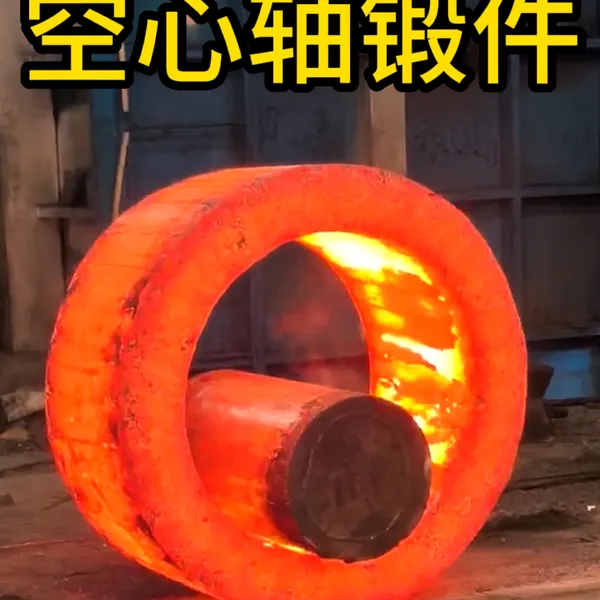
Hollow Shaft Forgings | Forged Components | Factory CustomizationNegotiableMOQ: 1 Piece
-
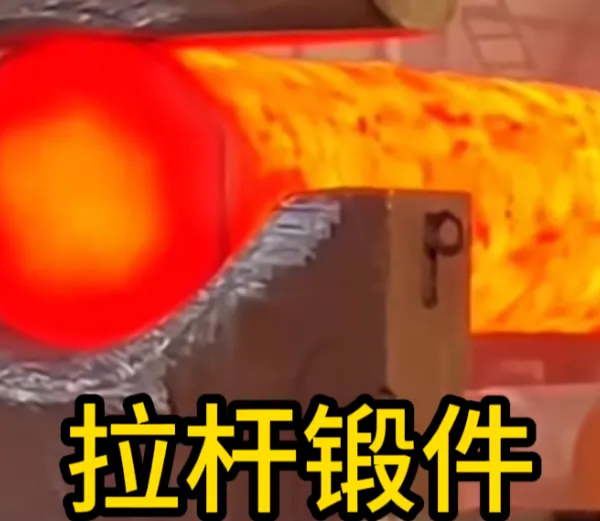
Tie Rod Forgings | Forged Components | Factory CustomizationNegotiableMOQ: 1 Piece
-
Coupling Forgings | Forged Components | Factory CustomizationNegotiableMOQ: 1 Piece
-
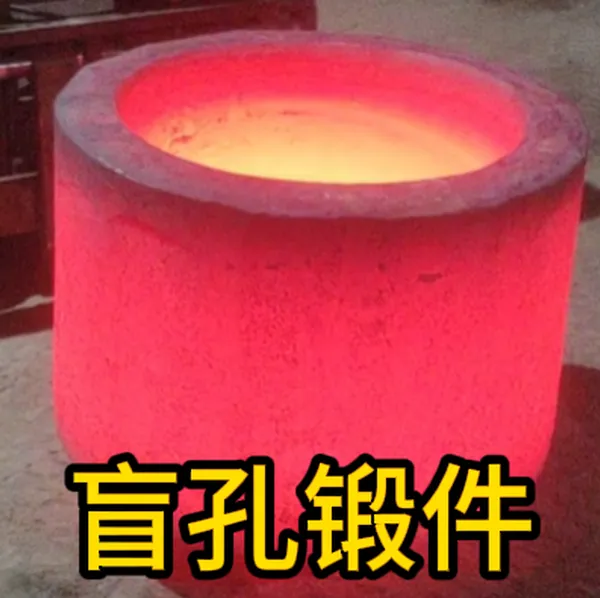
Blind Hole Forgings | Forged Components | Factory CustomizationNegotiableMOQ: 1 Piece
-
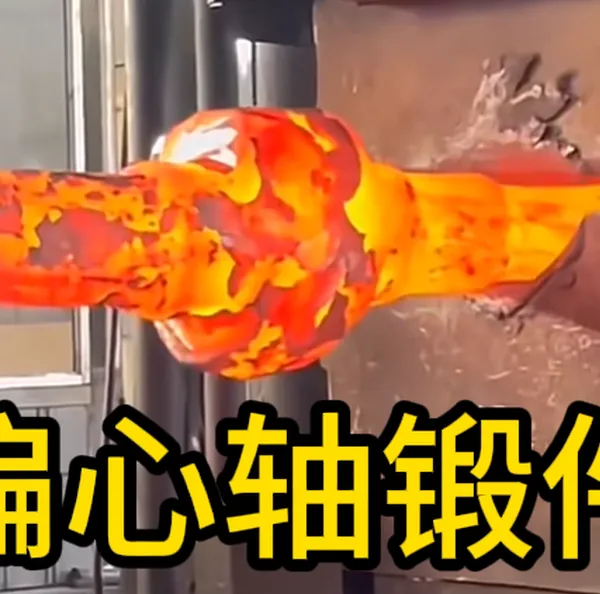
Eccentric Shaft Forgings | Forged Components | Factory CustomizationNegotiableMOQ: 1 Piece
-
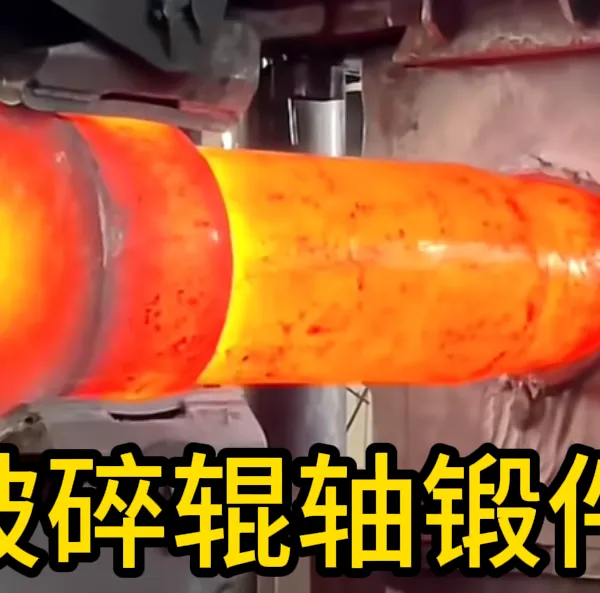
Crusher Roller Shaft Forgings | Forged Components | Factory CustomizationNegotiableMOQ: 1 Piece
-
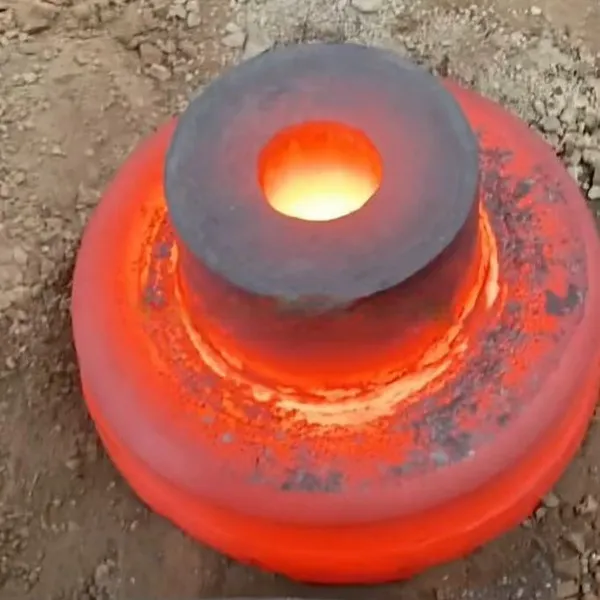
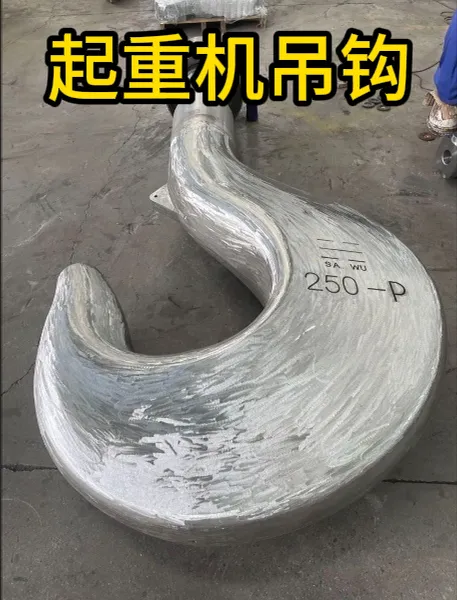
Crane Hook Forgings | Forged Components | Factory CustomizationNegotiableMOQ: 1 Piece
-
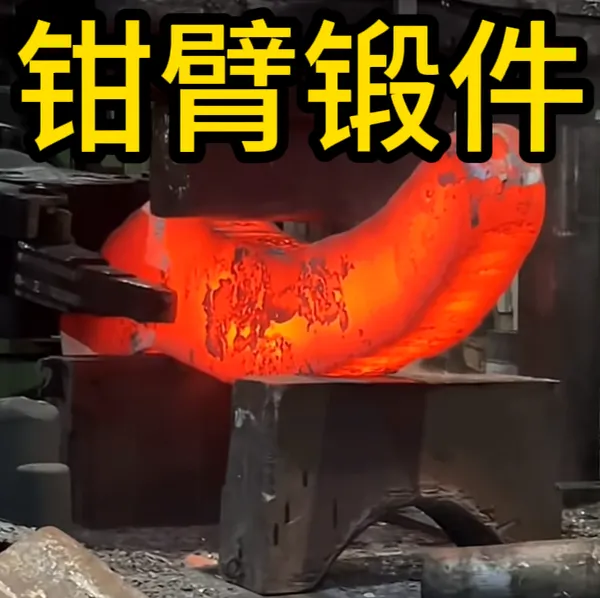
Tong Arm Forgings | Forged Components | Factory CustomizationNegotiableMOQ: 1 Piece
-
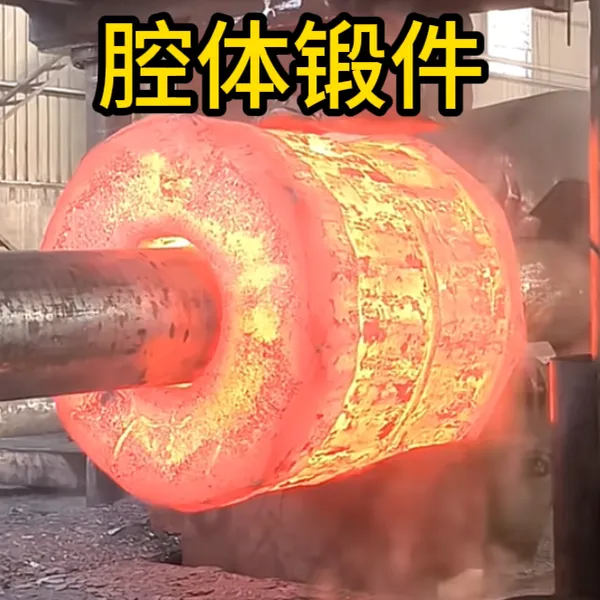
Cavity Open-Die Forgings | Forged Components | Factory CustomizationNegotiableMOQ: 1 Piece
-
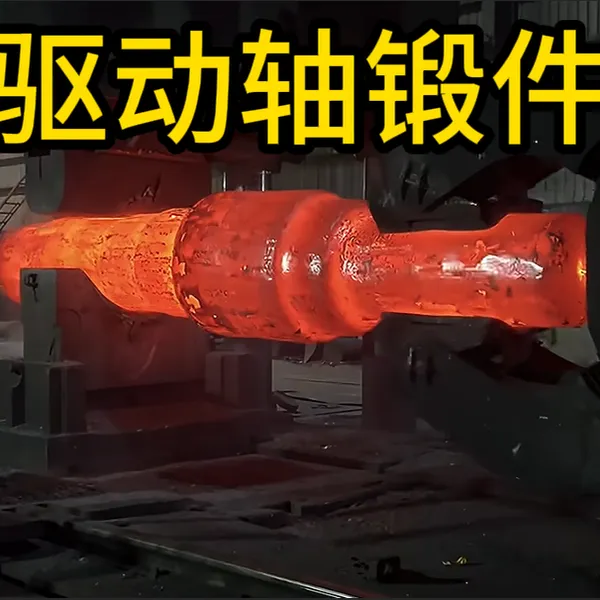
Drive Shaft Forgings | Forged Components | Factory CustomizationNegotiableMOQ: 1 Piece
-
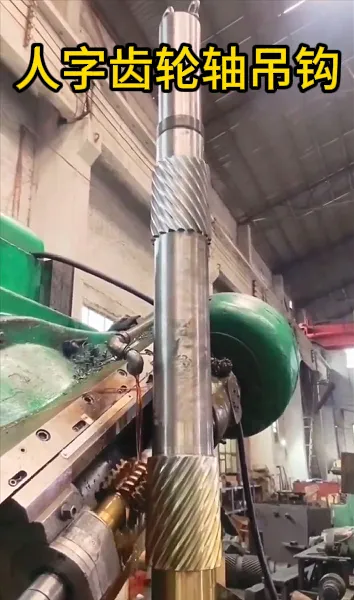
Herringbone Gear Shaft Forgings | Forged Components | Factory CustomizationNegotiableMOQ: 1 Piece
-
Elevated Short-Stroke Forging Parts | Forged Components | Factory CustomizationNegotiableMOQ: 1 Piece