 Business License
Optimized Mold Repair Process for Forging Production
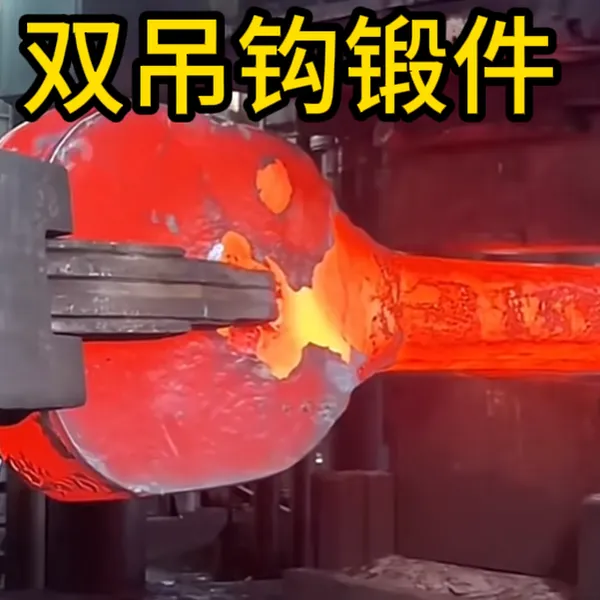
Forging dies operate continuously under high temperature and pressure, making wear and deformation inevitable over time. The quality of mold repair directly impacts forging production efficiency and the dimensional accuracy of finished forgings. Recently, Qingliang Mould has optimized its mold repair process to enhance the stability and precision of refurbished dies.
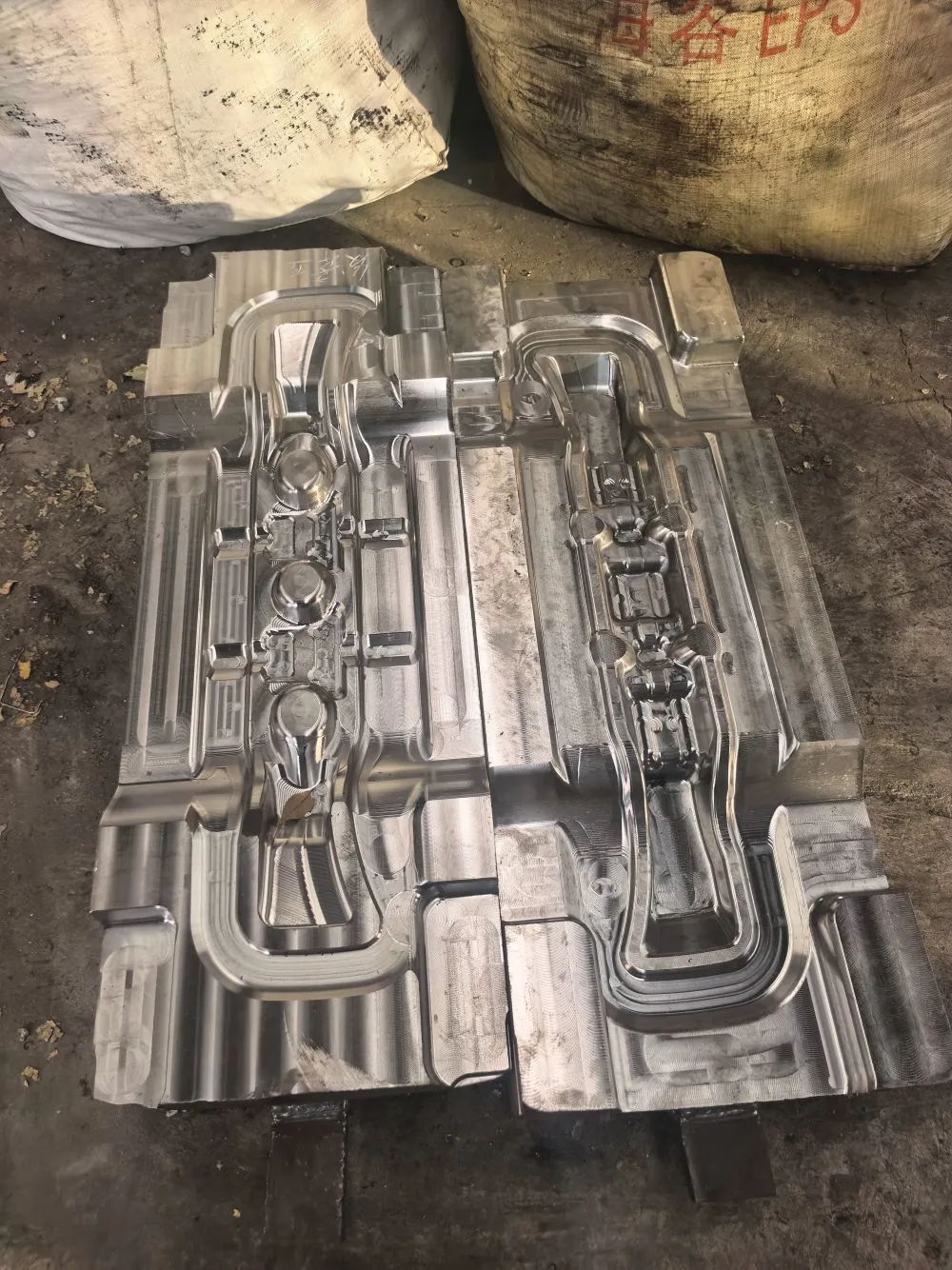
As those in the forging industry know, replacing dies at the first sign of wear is costly, but poorly executed repairs lead to premature failure and dimensional inaccuracies in forgings. Previously, our mold repair process was limited to basic welding and grinding, which often resulted in rapid re-wear and welding-induced deformation that compromised forging dimensions. The optimized process is a collaborative effort between welders, forgers, and machinists:
Material Matching: We select welding materials specifically formulated for forging die steels, ensuring the welds deliver high strength and wear resistance.
Controlled Welding: A "staged welding + controlled cooling" method is adopted to minimize thermal deformation.
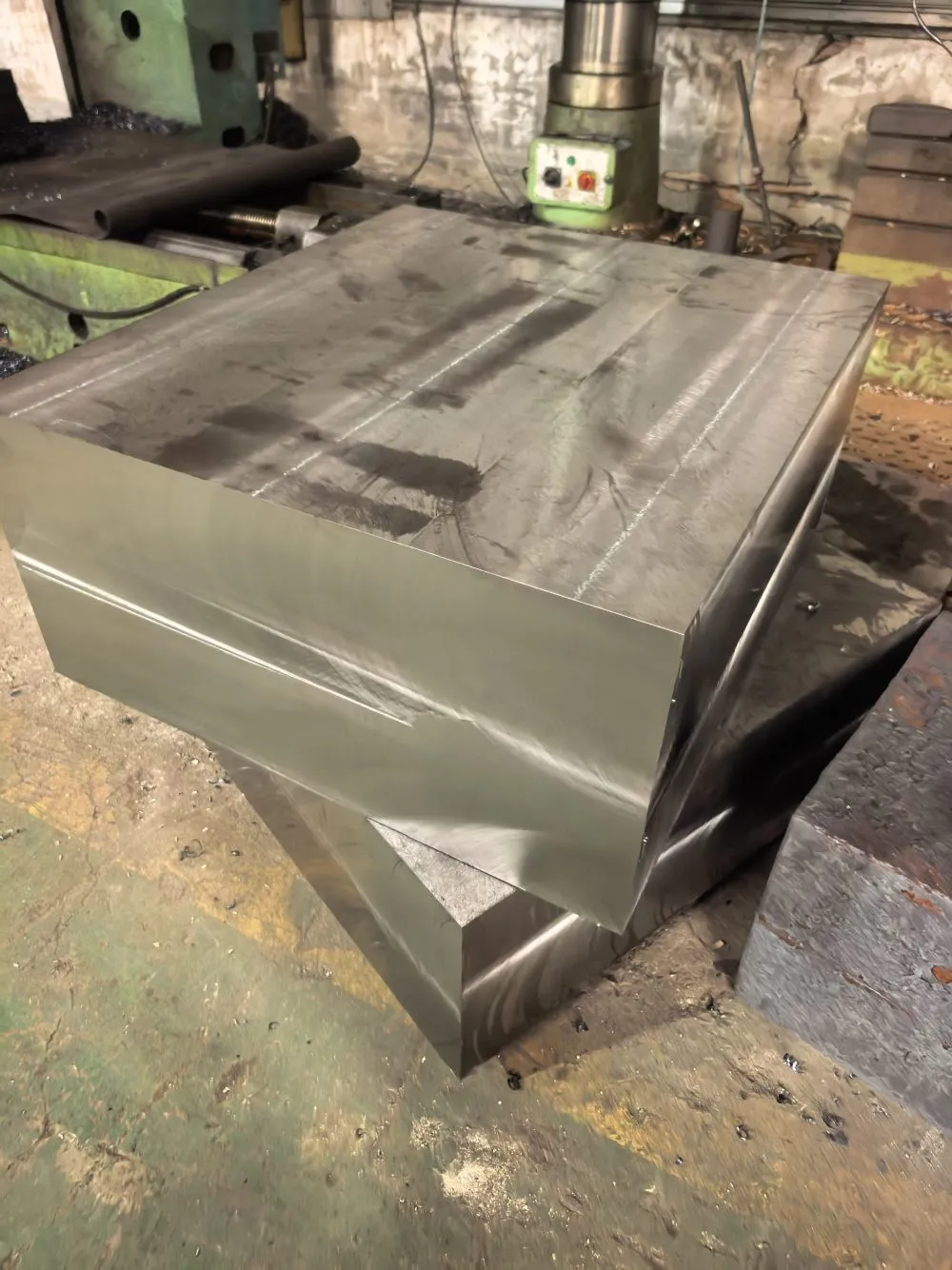
Precision Machining: Post-repair, dies are precision-machined to restore their dimensions and tolerances to match new dies.
Wear Enhancement: For high-wear critical areas, we add a wear-resistant hardfacing alloy layer during repair to extend service life.
Initial trials show significant improvements: the average service life of repaired dies has increased by nearly 50%. This not only reduces die replacement costs but also minimizes production downtime caused by mold changes. Refurbished dies now reliably meet all forging production requirements, making this optimization highly practical for daily operations.
Recently Posted
-
Veteran Forging Worker Master Zhang Retires with Honor, Passing Down 30 Years of Craftsmanship
June 1, 2026At Shandong Qingliang Mould Technology Co., Ltd., Master Zhang, who dedicated 30 years to the forging industry, officially retired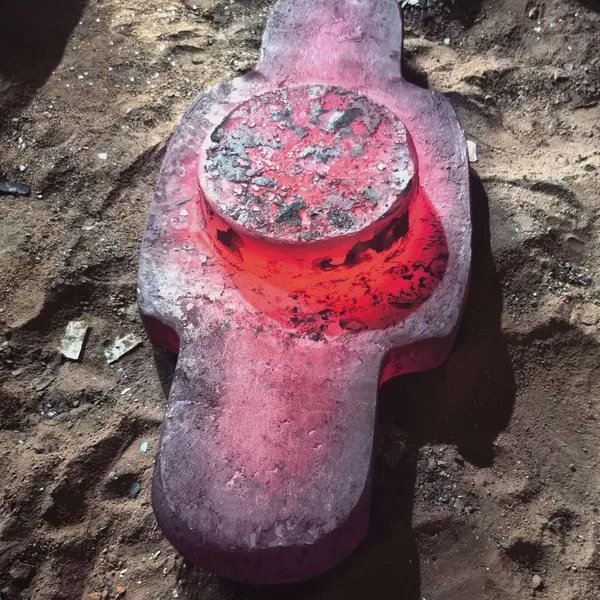 Read More
 -
Workshop Waste Classification & Recycling: Environmental Protection and Efficiency Enhancement
May 30, 2026Forging operations generate various types of industrial waste. The traditional centralized mixed disposal model had several drawba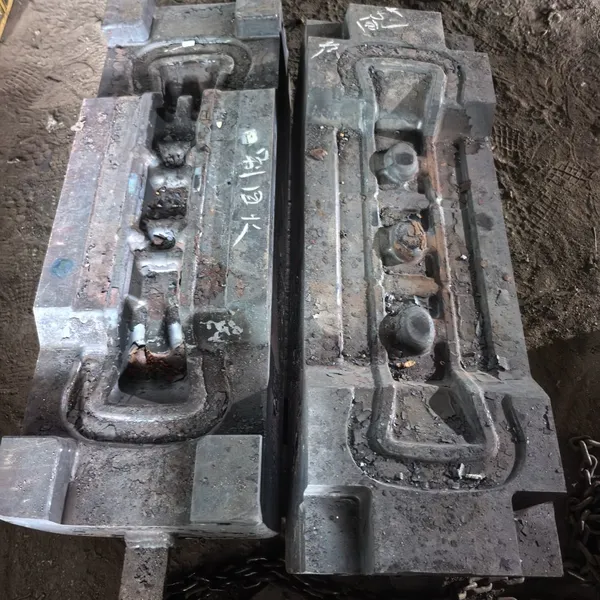 Read More
 -
Standardized Management of Forging Drawings Improves Production Efficiency
May 29, 2026Previously, the workshop faced significant pain points in managing forging and die drawings: paper drawings were randomly placed w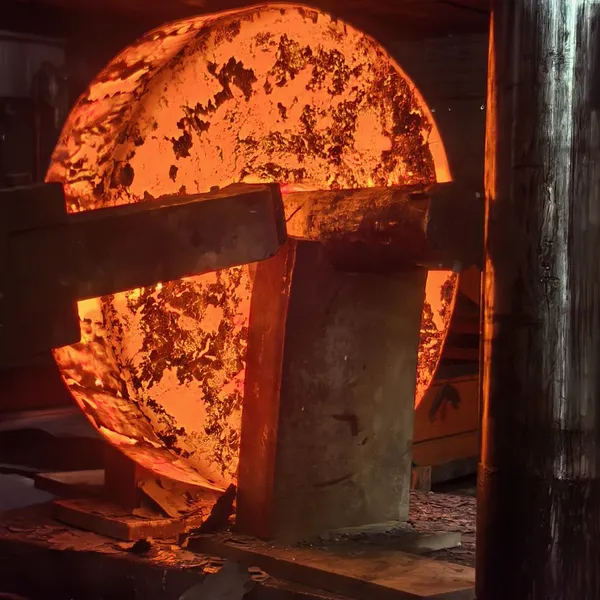 Read More
 -
Comprehensive Rainy Season Protection Ensures Stable Forging Production
May 28, 2026As the local area enters a period of continuous rainfall, humid weather poses challenges to equipment and material management in t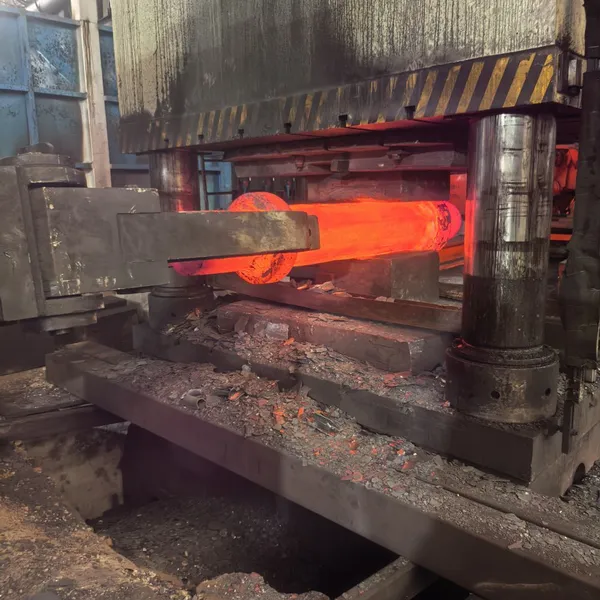 Read More

Contact Us
Recommended Products
-
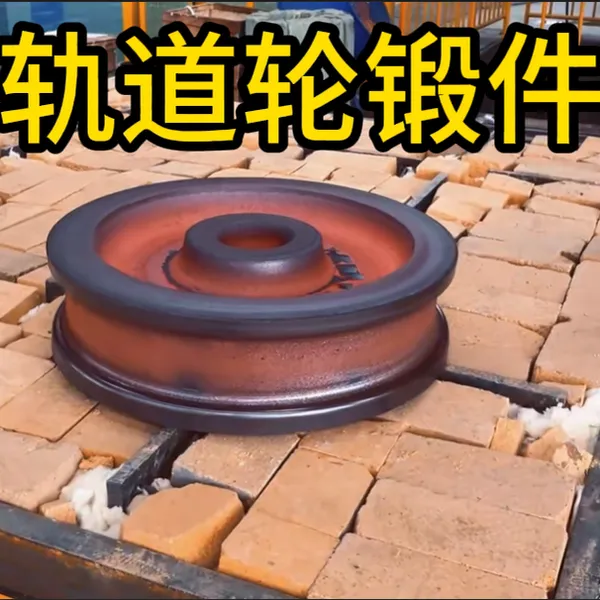
 Railway Wheel Forgings | Forged Components | Factory CustomizationNegotiableMOQ: 1 Piece
 -
Roll Sleeve Forgings | Forged Components | Factory CustomizationNegotiableMOQ: 1 Piece
-
Rear Offset Shaft Forgings | Forged Components | Factory CustomizationNegotiableMOQ: 1 Piece
-
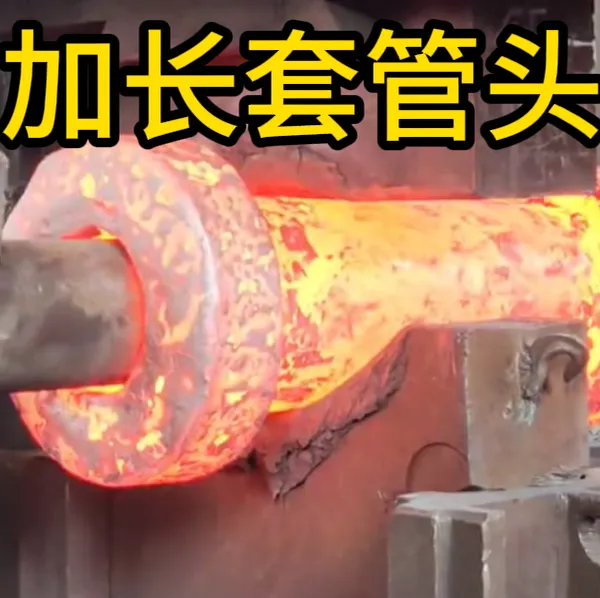
Extended Casing Head Forgings | Forged Components | Factory CustomizationNegotiableMOQ: 1 Piece
-
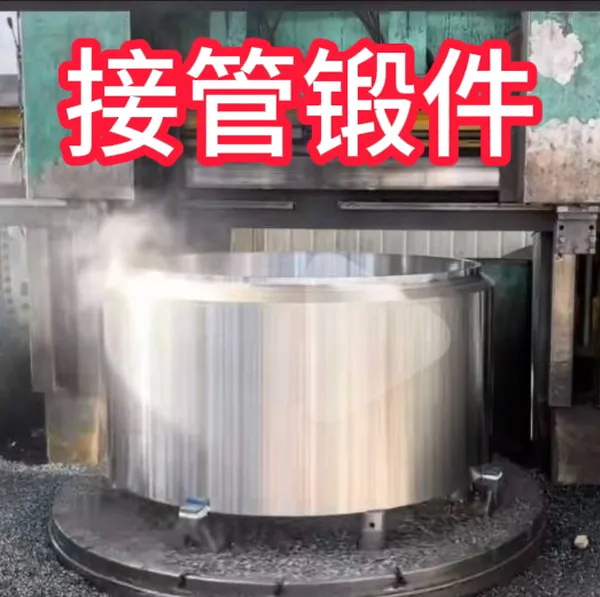
Connector Pipe Forgings | Forged Components | Factory CustomizationNegotiableMOQ: 1 Piece
-
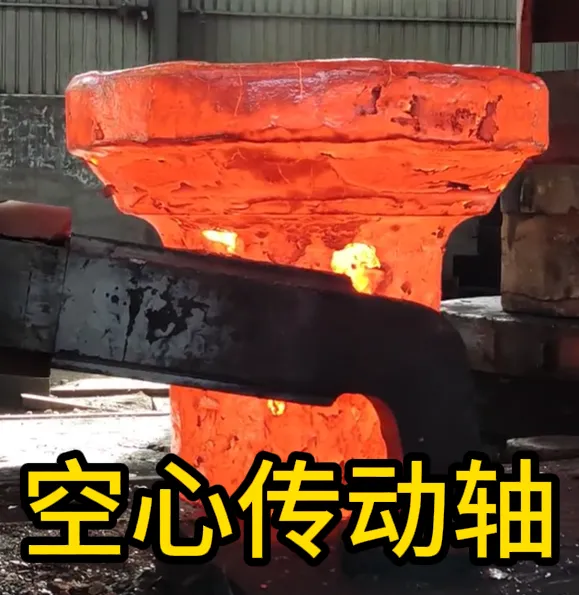
Hollow Drive Shaft Forgings | Forged Components | Factory CustomizationNegotiableMOQ: 1 Piece
-
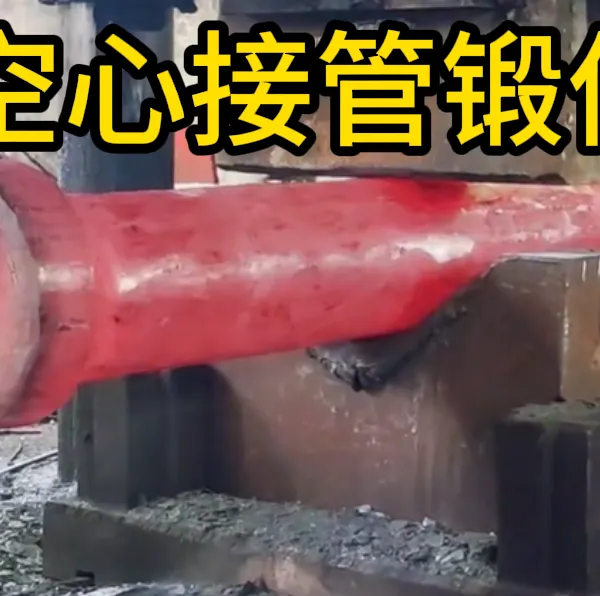
Hollow Connector Pipe Forgings | Forged Components | Factory CustomizationNegotiableMOQ: 1 Piece
-
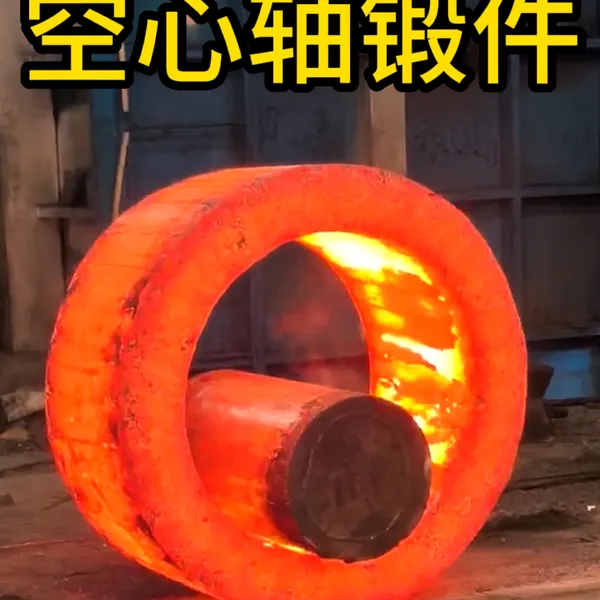
Hollow Shaft Forgings | Forged Components | Factory CustomizationNegotiableMOQ: 1 Piece
-
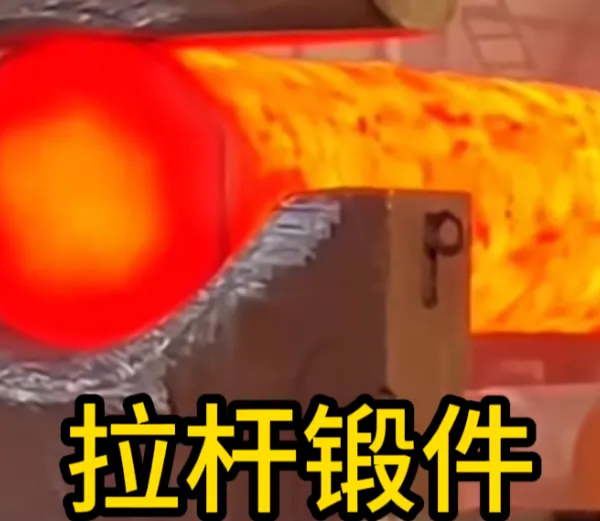
Tie Rod Forgings | Forged Components | Factory CustomizationNegotiableMOQ: 1 Piece
-
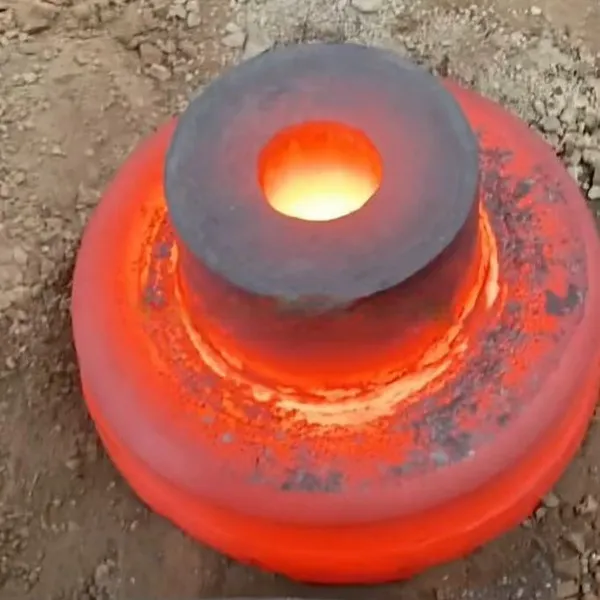
Coupling Forgings | Forged Components | Factory CustomizationNegotiableMOQ: 1 Piece
-
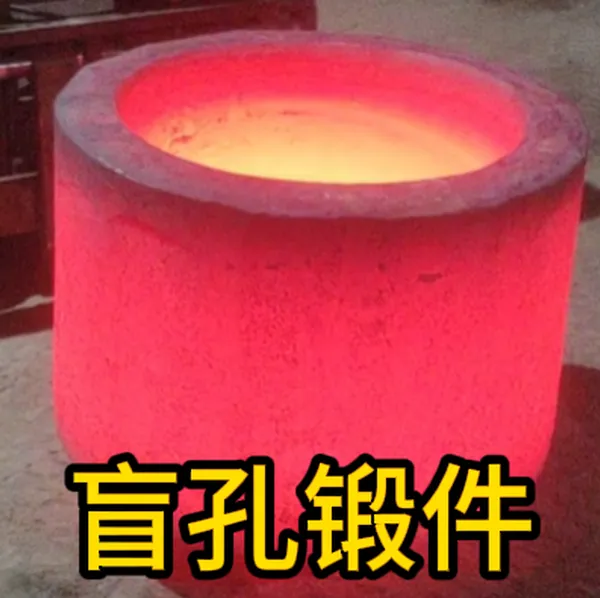
Blind Hole Forgings | Forged Components | Factory CustomizationNegotiableMOQ: 1 Piece
-
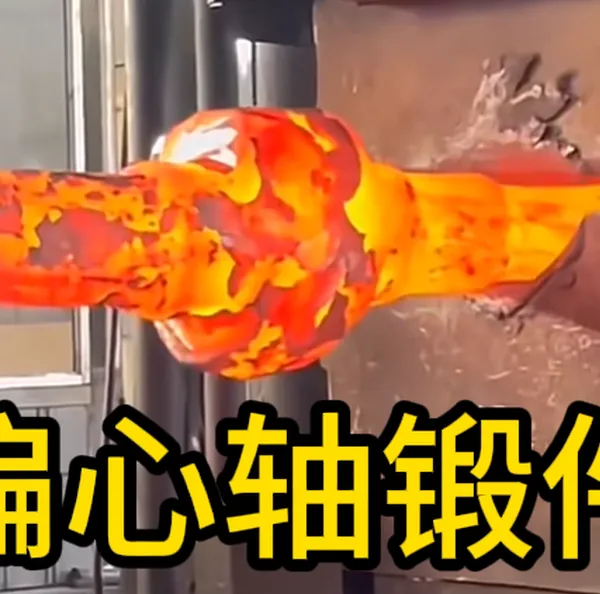
Eccentric Shaft Forgings | Forged Components | Factory CustomizationNegotiableMOQ: 1 Piece
-
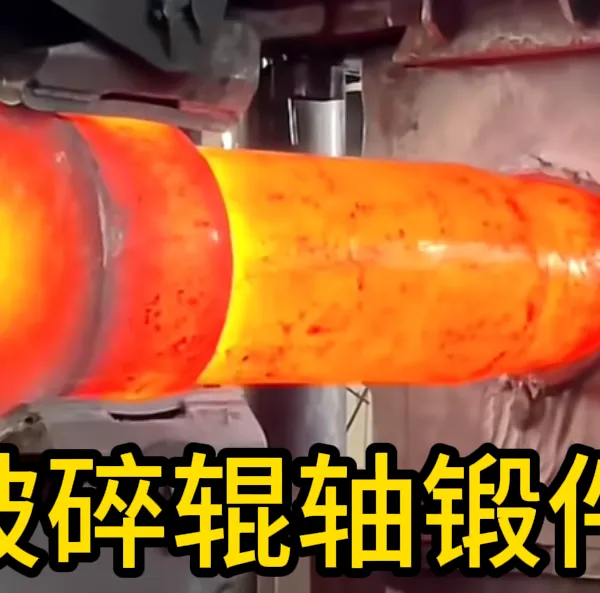
Crusher Roller Shaft Forgings | Forged Components | Factory CustomizationNegotiableMOQ: 1 Piece
-
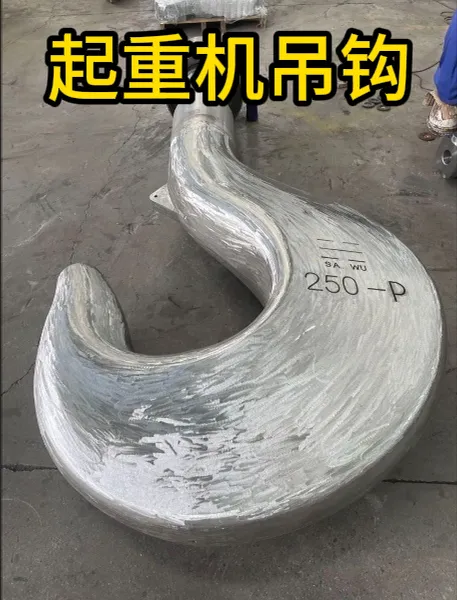
Crane Hook Forgings | Forged Components | Factory CustomizationNegotiableMOQ: 1 Piece
-
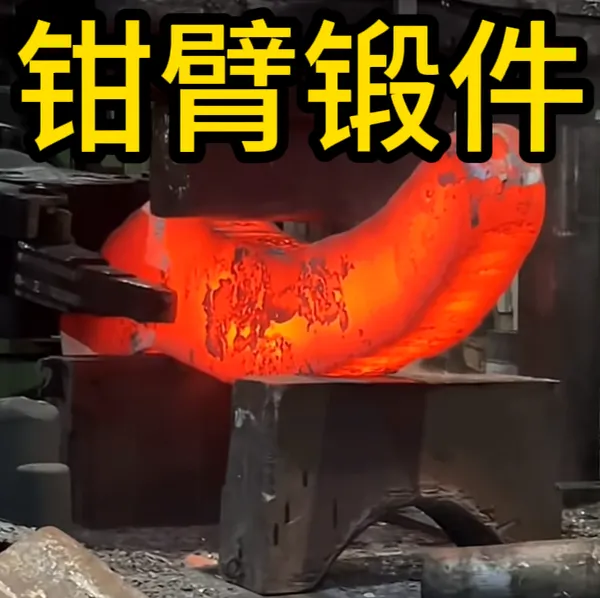
Tong Arm Forgings | Forged Components | Factory CustomizationNegotiableMOQ: 1 Piece
-
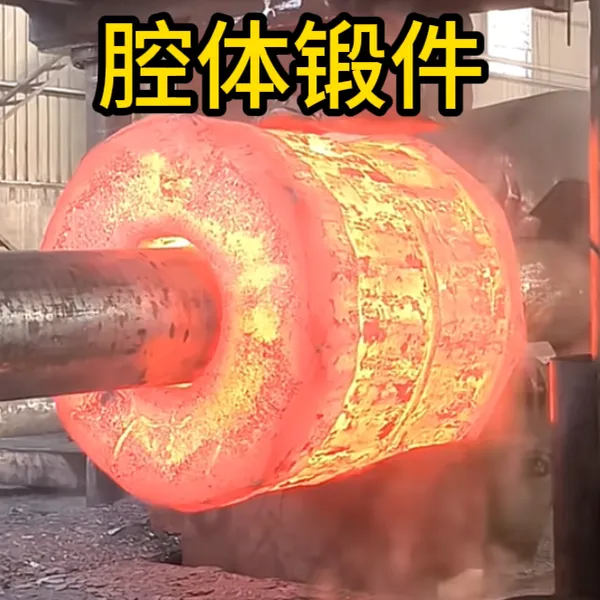
Cavity Open-Die Forgings | Forged Components | Factory CustomizationNegotiableMOQ: 1 Piece
-
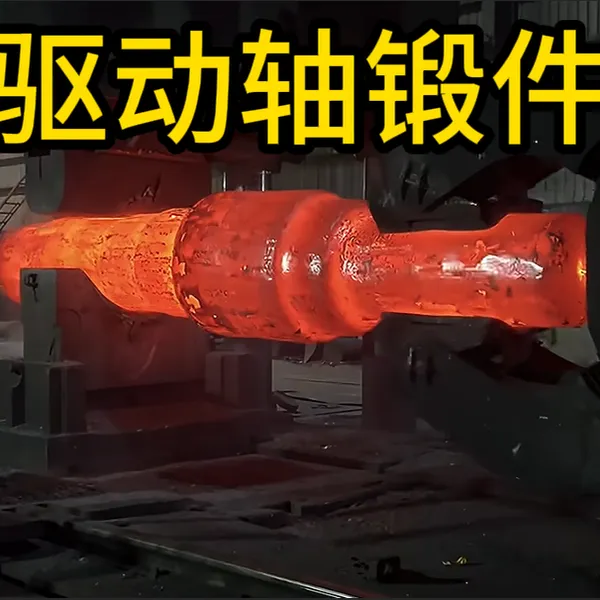
Drive Shaft Forgings | Forged Components | Factory CustomizationNegotiableMOQ: 1 Piece
-
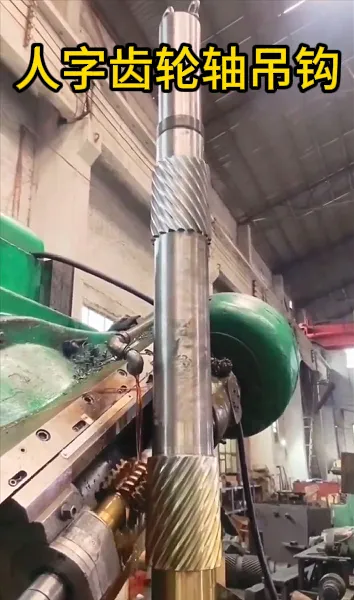
Herringbone Gear Shaft Forgings | Forged Components | Factory CustomizationNegotiableMOQ: 1 Piece
-
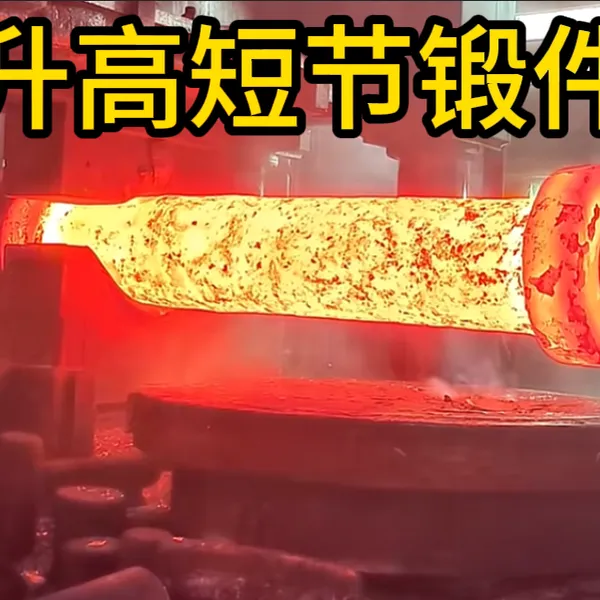
Elevated Short-Stroke Forging Parts | Forged Components | Factory CustomizationNegotiableMOQ: 1 Piece
-
Double Crane Hook Open-Die Forgings | Forged Components | Factory CustomizationNegotiableMOQ: 1 Piece